YEAR:
2025
ROLE:
Creative Marketing Manager
DELIVERABLES:
Campaign Strategy, Audience Research & Persona Development, Competitor Analysis, Customer Journey Mapping, Go-to-Market Planning, , Retention Strategy
CREDITS:
Affiliate & Social Media Activation
overview.
At the start of 2025, Premier Yarns was sitting on $5.5 million in factory seconds with no clean path to market. Selling them through standard channels risked undercutting the brand's pricing integrity and signaling distress to loyal customers. The inventory had to move, but the way it moved mattered just as much as whether it did.
As Creative Marketing Manager for Premier, I built #StashGoals to reframe the problem entirely. Instead of a clearance event, it became a community-first, limited-time campaign built around something makers already do: actively hunt for quality yarn at prices that let their stash grow. Grouping inventory into color-family grab bags meant no single color became a bottleneck, product moved across the full range, and pre-selected assortments cut the warehouse fulfillment load considerably. Over five months and without a single dollar of paid media, the campaign cleared roughly $3.8 million of the backlog and drove a 76% lift in repeat orders.
challenges.
The inventory couldn't just go on sale. Premier's customer base was completely built on trust in product quality, and a clearance event risked reading as distress. To see what we were working, I conducted a competitor review, which confirmed what intuition already suggested: most brands handling overstock defaulted to blunt price drops or buried the deal in fine print, leaving trust on the table in a crucial moment.
The real problem wasn't the inventory. It was designing an offer that moved serious volume across the full range of SKUs, without making the brand feel smaller for having done it.


design choices.
Each #StashGoals grab bag was built around a color family and maker vibe. Earthy Essentials, Pretty in Pastel, Jewel Tones, and Coastal Calm gave customers a way to choose by mood and aesthetic rather than by weight or yardage. That framing was intentional: it kept the focus on the creative possibility of the yarn, not the fact that it was discounted factory seconds.
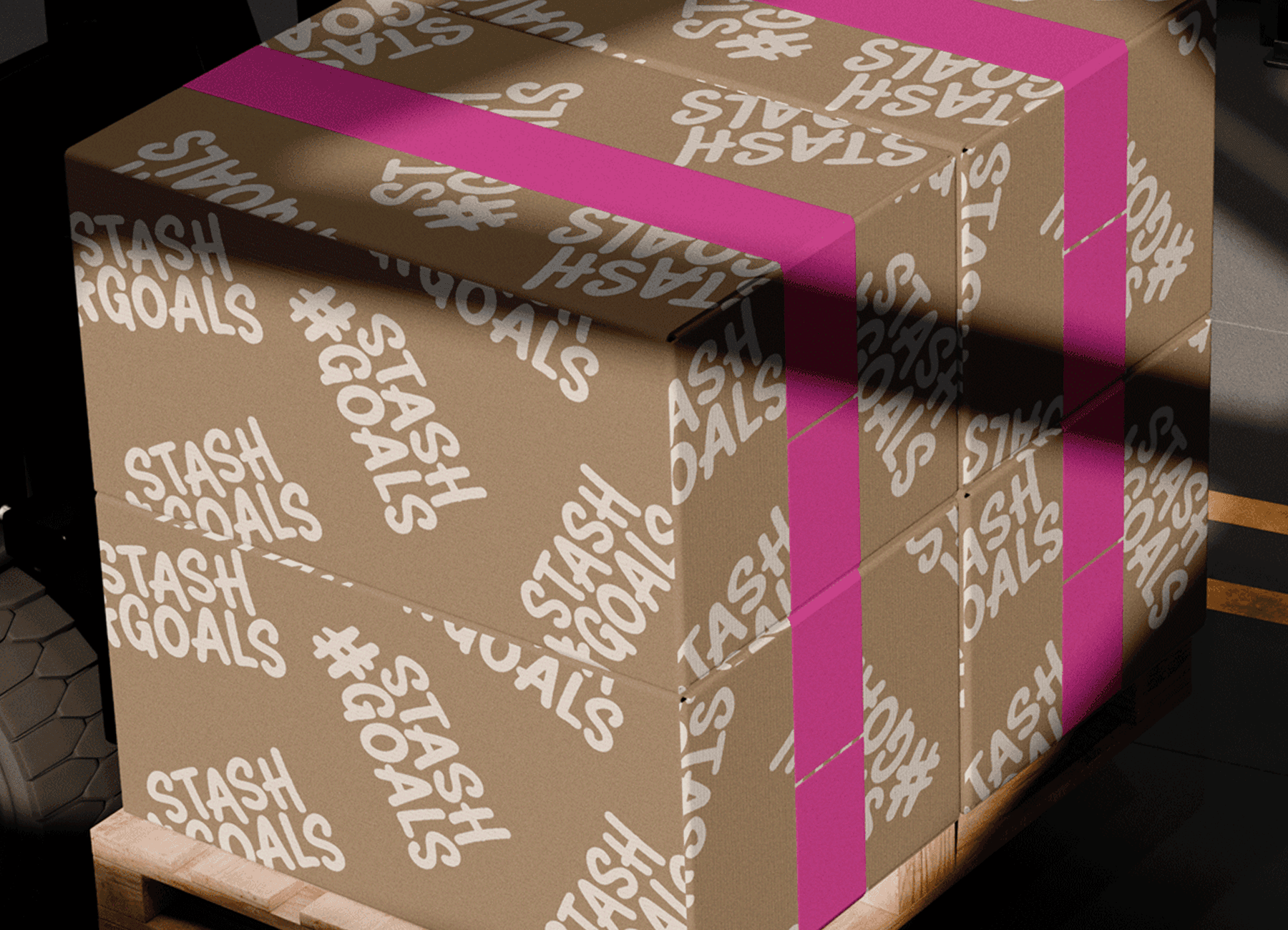
The campaign identity centered on a custom #StashGoals wordmark with enough personality to function as a social asset on its own. The content system was designed to be reposted, screenshotted, and shared, because in this zero-paid-media campaign, the creative needed to do the distribution work. I also handled packaging design for the grab bags, including dieline specs for production.
results.
Over five months, #StashGoals cleared roughly $3.8 million of the factory seconds backlog. The 76% lift in repeat orders didn't come from a loyalty program or a follow-up email sequence. It came from the grab bag mechanic itself: customers who didn't know exactly what they'd receive were more likely to come back, compare what they got, and buy again.
The opening momentum came entirely from organic attention. Before a single promotional email went out, I seeded product to loyal affiliates and high-signal community voices, reaching beginners and established makers at the same time. The for-product hauls, reviews, and unscripted posts built a wave of social proof that money couldn't have bought as efficiently. Word spread through the maker community about the value, and the grab bag format gave people something worth sharing.